Hakomi is a somatic mindfulness-based psychotherapy method. It is an effective and gentle method that integrates compassionate presence, neuroscience, and body psychotherapy, and is based on the wisdom of Taoism and Buddhism. It is an experiential, embodied approach to self-discovery and healing. Through guided mindfulness, we explore unconscious patterns, allowing for deep understanding and transformation in a safe and nurturing space. The body is the gateway to the unconscious.
The method is based on the idea that being aware gives you the power to choose.
In Hakomi, we study our experience, which is based on unconscious beliefs and predictions through which we understand and respond to our current experiences. The method is designed to bring these beliefs into awareness in a gentle and efficient way. Once these beliefs are brought into awareness, they can be reviewed and offer options for new ways of responding in life, opening up new possibilities that create greater well-being.

Loving Presence and the Principles of Hakomi
In Hakomi, we practice a mind-heart-body state that creates the best context for a healing relationship, called Loving Presence. Loving Presence is the key to the entire method. We see each person as a source of inspiration and nourishment. This is received by the person as a reminder of their own strengths, resources, and wholeness.
Hakomi is based on five principles, all encompassed within Loving Presence.
Organicity
Is trusting that within each person there exists a positive, self-directed, and self-healing energy and intelligence for life, possessing an innate capacity to grow and heal. Our task is simply to create the space and emotional state that supports this natural drive toward health and remembering the natural state of wholeness.
Nonviolence
This is a compassionate and respectful approach that honors the natural healing process. It is the recognition that there is a natural way in which life unfolds and aligning ourselves with this organic and intelligent process.
Unity
Unity reminds us of the interconnectedness of all things; that we are intimately connected to each other, to our culture, and to our world.
Mindfulness
Real change comes through awareness, not effort. When we are truly aware of our experience, it naturally reveals its meaning and continues to evolve in a self-directed and positive direction for life.
Holism
This refers to the complexity and interrelationship of our organic systems, our mind and body, heart and soul. It allows us to holographically read a person’s life story in their posture or tone of voice, infer an entire childhood from a single memory, and discern certain core and organizing beliefs from simple, repetitive gestures or words.
Hakomi is the product of living, thinking, and feeling in harmony with the principles that are the true foundations of Hakomi.
There are ways of relating that increase the likelihood of healing. The state of mind of the person accompanying the Hakomi practitioner is the most significant element in creating a space where healing is possible and arises spontaneously from within.
Who can join?
Hakomi is for everyone.
Hakomi is for all those interested in their personal development and freedom, and the practice of conscious relationships, as well as those who support others, such as therapists, psychologists, coaches, somatic educators, healthcare professionals, teachers, and parents.
You can experience Hakomi in individual or group sessions in a training.
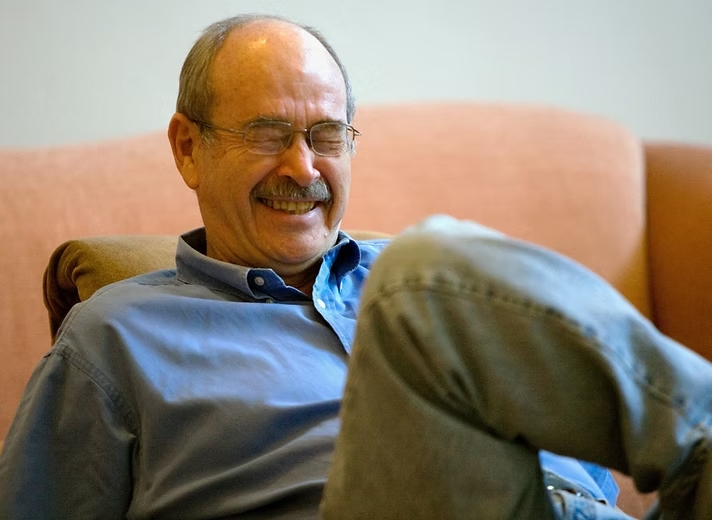
Ron Kurtz
Ron Kurtz the creator of Hakomi pioneered, among other things, the use of mindfulness as a fundamental ingredient of psychotherapy and realized the need for psychotherapy to be experiential to be truly transformative. He also understood that nonverbal expression reveals more than our verbal stories can ever tell about the core material that organizes experience and that the body is a direct route to the unconscious.
Not a day went by that Ron Kurtz was not thinking about and writing about perfecting and simplifying his life’s passion, a way to help reduce suffering through what he referred to as “Mindfulness-based assisted self discovery”.
Ron’s way of working and teaching became increasingly human and playful and deeply compassionate as he moved more and more toward the appreciation of how vital is the collaboration of practitioner and client to facilitating a nourishing experience of transformation and healing.
He authored The Practice of Loving Presence, The Hakomi Way Consciousness & Healing, Grace Unfolding: Psychotherapy in the Spirit of Tao-te Ching, The Body Reveals and Body-Centered Psychotherapy. These books and an extensive library of his work can be found in https://hakomi.com/
He received the Lifetime Achievement Award from the United States Association for Body Psychotherapy in 2008

